
How Much Weight Can You Lose with Sleeve Gastrectomy in 3, 6, and 12 Months?

If you’re researching Sleeve Gastrectomy Weight Loss Surgery in Indore, the honest answer to “how much will I lose” is: it depends. Starting BMI, eating habits, activity levels, and how closely you follow post-op care all shape the outcome. That said, most patients follow a fairly predictable pattern — here’s what to realistically expect. How Does Sleeve Gastrectomy Help You Lose Weight? The surgery removes a large portion of the stomach, leaving a smaller “sleeve” that holds far less food. Beyond just portion control, it also reduces ghrelin, the hormone largely responsible for hunger — so many patients simply feel less hungry, not just physically restricted. Expected Weight Loss Timeline First Month — This is usually when weight drops fastest, as the body adjusts to a much smaller calorie intake. It’s dramatic, but it naturally slows down after this. After 3 Months — Most patients notice real changes by now — easier movement, better energy, and a solid chunk of the total weight-loss journey already behind them. After 6 Months — This is typically when a significant share of excess weight is gone, and it’s also when related conditions like type 2 diabetes and high blood pressure often start improving. After 12 Months — Most patients reach close to their maximum expected weight loss around this point, with the results depending heavily on how consistent they’ve been with diet and activity. By now, it’s less about the surgery and more about the lifestyle habits built around it. What Affects Your Results? Starting BMI, protein intake, how active you stay, whether you keep up with follow-up visits, sleep quality, and any underlying medical conditions all play a role. Two people with the same surgery can have noticeably different outcomes based on these factors alone. How to Maximize Your Results A protein-rich diet, daily walking, staying hydrated, taking prescribed vitamin supplements, and actually showing up for follow-up appointments make a real difference. None of this is complicated, but consistency matters more than intensity. When Should You Consult Your Surgeon? If you hit a Weight-Loss plateau that doesn’t budge, notice signs of nutritional deficiency, experience ongoing vomiting, or deal with persistent reflux, it’s worth checking in rather than waiting it out. Anyone researching Weight Loss Surgery in Indore should know that ongoing surgeon support is part of the process, not just the operation itself. Is Sleeve Gastrectomy Right for Everyone? Not automatically — eligibility usually depends on BMI and a full medical evaluation. A Qualified Bariatric Surgeon can walk you through whether it’s the right fit for your specific health picture. Ready to Learn More? Numbers and timelines only tell part of the story — what actually happens to your body depends on where you’re starting from and how committed you are to the process afterward. If you’re seriously considering Sleeve Gastrectomy Weight Loss Surgery in Indore, the most useful next step isn’t more reading — it’s sitting down with an experienced bariatric surgeon who can look at your specific health history and give you a realistic picture, not a generic one. Frequently Asked Questions How much weight can I lose in one year? Most patients see their most significant results within the first 12 months, though the exact amount varies by individual. Will I regain weight? It’s possible, honestly — surgery changes your stomach, not your habits. If old eating patterns creep back in without much activity to balance them, some weight can come back. The patients who keep the weight off long-term are usually the ones who treat the surgery as a starting point, not a finish line. Does age affect weight loss? A little, but it’s rarely the deciding factor. We’ve seen older patients outperform younger ones simply because they stuck to their follow-up plan more consistently. Age matters less than what you actually do day to day. Can diabetes improve after sleeve gastrectomy? For a lot of patients, yes — sometimes noticeably so. But “many patients” isn’t “everyone,” and how much it improves depends on your individual case. Your physician is the right person to track that with you over time, not a blog post.
How Do You Know If Your Weight Is Becoming a Medical Problem
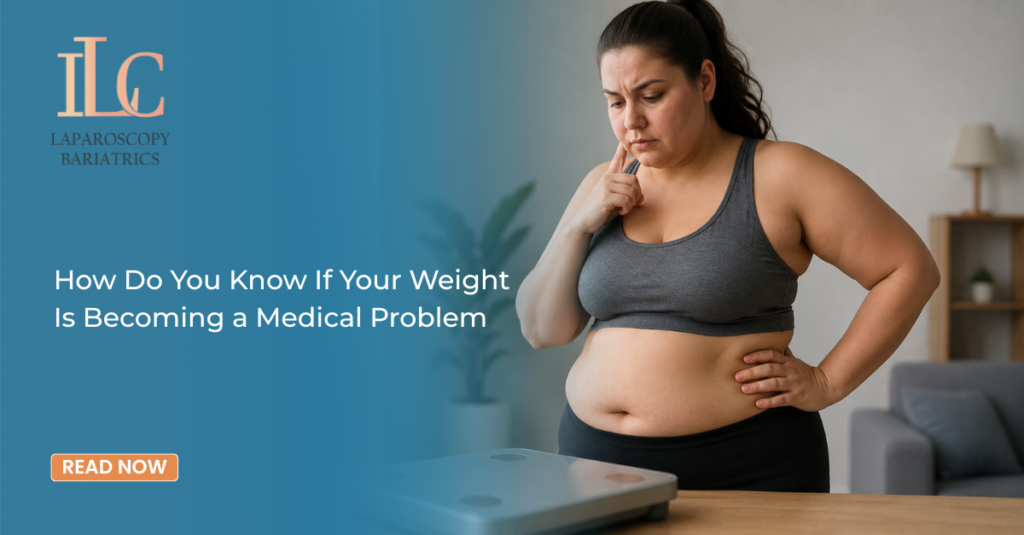
Carrying extra weight probably does not refer to how you appear in images, which is the part everyone is concerned with, but very seldom the piece that matters most. Excess body fat can be a silent killer that overuses your heart, joints, hormones & metabolism for many years without any noticeable signs until it is too late. Catching the early signals means staying ahead of the issues and not waiting for them to manifest before reacting. When Does Extra Weight Become a Medical Concern? BMI gets thrown around as the go-to number, but it’s really just a starting point — it doesn’t tell the whole story. Waist circumference matters just as much, since fat stored around the abdomen carries higher health risks than fat elsewhere. Where your body stores fat, and how that fat behaves metabolically, plays a bigger role than the number on the scale alone. When these factors combine with other risk indicators, weight stops being a cosmetic issue and starts becoming a medical one. 7 Signs Your Weight May Be Affecting Your Health You Get Tired EasilyEveryday tasks — climbing stairs, walking to the car, carrying groceries — start leaving you winded in a way they didn’t before. Joint or Knee Pain Is Becoming FrequentExtra weight puts real pressure on weight-bearing joints, and that wear adds up faster than most people expect. You Have High Blood PressureExcess weight forces your heart to work harder, and blood pressure often creeps up as a result. You have type 2 diabetes or prediabetesWeight and insulin resistance are intimately related, and blood sugar problems tend to be one of the first signs something isn’t right. You Snore or Have Sleep ApneaSnoring loudly, gasping for air overnight, and waking up tired can indicate problematic felines with sleep apnea due to being overweight. Daily Activities Feel More DifficultPutting on clothes, bending down to tie your shoes or getting up from a chair should not feel like the workout of the day! Diet and Exercise Don’t Work AnymoreThis is the cue that some medical intervention — not more willpower — is what you need, when consistent effort no longer yields the desired result. What health disorders can be caused by obesity? Obesity with no remedy leads to diabetes, cardiovascular disease, fatty liver illness, high cholesterol, sleep apnea and progressive joint damage – all of which tend to exacerbate each other over time. When to Consult a Bariatric Specialist? If your BMI is in a high-risk range, you have existing obesity-related conditions or if challenges maintaining previous weight-loss attempts have occurred over the years, it’s worth discussing with a specialist. Unlike surgery, Bariatric Treatment In Indore usually begins with this kind of assessment before rushing to surgery. What Are the Treatment Options? Options range from lifestyle changes and diet counselling to medication and, for eligible patients, bariatric surgery. Patients seeking Bariatric Treatment Indore should undergo a complete medical evaluation before choosing the right treatment plan, since not everyone needs — or qualifies for — the same approach. Choosing the Right Bariatric Hospital Look for an experienced Bariatric Surgeon, modern laparoscopic facilities, and a program built around long-term follow-up and nutrition support — not just the procedure itself. A well-equipped Bariatric Hospital in Indore should offer guidance well beyond the day of surgery. Frequently Asked Questions Is obesity considered a disease? Yes, it’s recognized as a chronic medical condition, not simply a lifestyle choice. How do I know if I qualify for bariatric treatment? Eligibility usually depends on BMI, existing health conditions, and prior weight-loss attempts — a specialist can confirm this. Is BMI enough to decide treatment? No, waist circumference, fat distribution, and related health conditions all factor in. Can obesity be treated without surgery? Often, yes — many patients respond well to lifestyle changes, diet counselling, and medication first.