
Home > Gastric Bypass Surgery
Gastric bypass is a type of Weight Loss Surgery that Involves Dividing the Stomach Into a Small Upper Pouch and A Larger Lower Pouch, and Then Rerouting a Portion of The Small Intestine to The New Small Stomach Pouch. This Restricts the Amount of Food that Can Be Consumed and Reduces the Absorption of Calories and Nutrients, Leading to Weight Loss.
During the Surgery, the Surgeon Creates the Small Upper Pouch by Stapling the Stomach, and Then Connects It Directly to The Small Intestine, Bypassing the Remaining Stomach and Upper Portion of The Small Intestine.
Gastric Bypass is a major surgical procedure that is typically recommended for people with a body mass index (BMI) of 40 or higher, or a BMI of 35 or higher with obesity-related health problems who have not been successful with other weight loss methods. It can result in significant weight loss, improvements in obesity-related health problems such as type 2 diabetes, and an overall improvement in quality of life. However, like any surgery, it carries risks and potential complications, and it is important to discuss the risks and benefits with a Bariatric Surgeon.
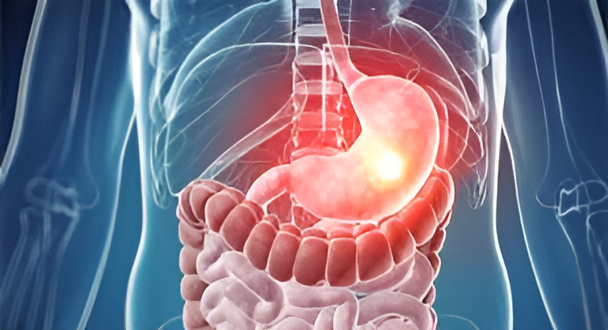

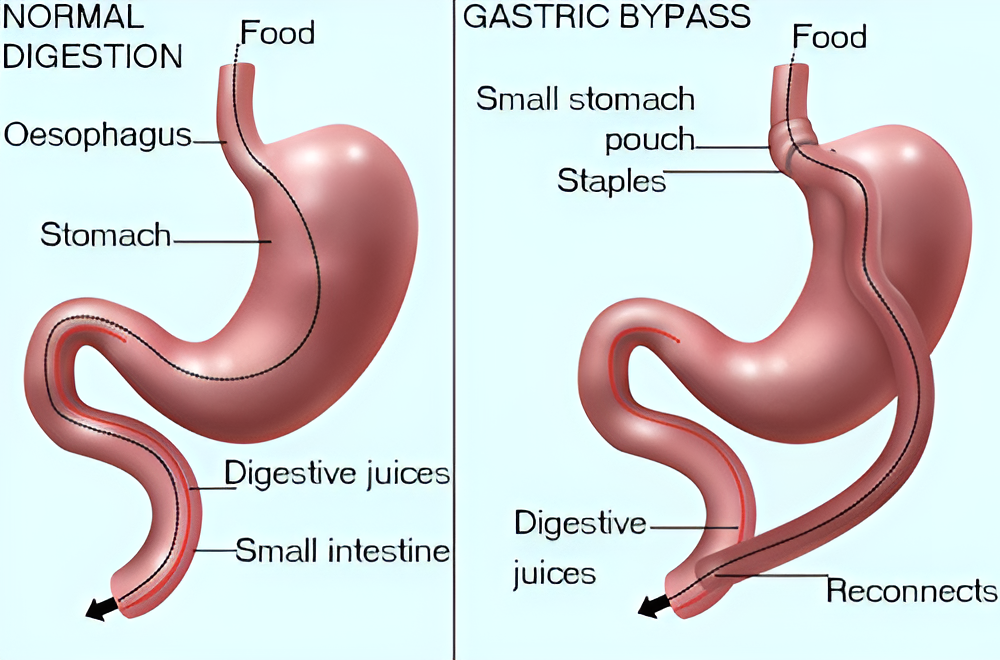
The combined treatment known as a gastric bypass, which restricts food intake while also causing malabsorption, is one of the most popular bariatric procedures in Indore. It is regarded as the gold standard for bariatric surgery and, until recently, Sleeve Gastrectomy replaced it as the most popular operation.
This treatment reduces the amount of food that may be consumed at once by converting the upper region of the stomach into a tiny pouch. The middle of the small intestine is then directly attached to this pouch. Bypassing the lower portion of the stomach and the first portion of the small intestine, this novel structure avoids the delayed mixing of food and digestive enzymes that leads to malabsorption.
Malabsorption and restriction work together to cause rapid and long-lasting weight loss. Hormones are released when food comes into direct touch with the small intestine, speeding up metabolism and burning fat. This aids in the remission of metabolic illnesses like diabetes and hyperlipidemia in addition to reducing body weight.
Data collected over a period of 15 years revealed excess weight loss of more than 80% and good comorbidity remission.
Your Journey To Better Health In 5 Simple Steps
1
Book Your Appointment
Schedule your consultation with one of our experienced nutrition experts.
2
Complete Your Health Assessment
Share your medical history, lifestyle, and wellness goals through our assessment.
3
Get Your Personalized Nutrition Plan
Receive a customized nutrition plan tailored to your health needs and goals.
4
Follow Your Plan with Expert Support
Stay on track with regular consultations, guidance, and plan adjustments.
5
Achieve Your Health Goals
Experience lasting results with improved nutrition, better habits, and a healthier lifestyle.
Talk to Our Specialists
Frequently Asked Questions -:
Dr. Achal Agrawal is an experienced bariatric surgeon in Indore specializing in advanced laparoscopic gastric bypass surgery. He provides personalized treatment plans and comprehensive pre- and post-operative care for long-term weight loss.
Yes. Bariatric Surgery Indore offers advanced laparoscopic gastric bypass surgery for eligible patients with obesity and obesity-related health conditions after a detailed medical evaluation.
Gastric bypass surgery is generally recommended for adults with a BMI of 40 kg/m² or higher, or 35 kg/m² with obesity-related conditions, when diet and exercise have not achieved lasting weight loss.
Gastric bypass surgery is a bariatric procedure that creates a small stomach pouch and reroutes part of the small intestine. This reduces food intake and calorie absorption, helping patients achieve significant long-term weight loss.
Like any surgery, gastric bypass may involve risks such as infection, bleeding, blood clots, or nutritional deficiencies. Choosing an experienced bariatric surgeon and following post-operative care helps reduce these risks.
Some discomfort is normal after gastric bypass surgery, but it is usually managed with medication. Most patients feel better within a few days and gradually return to their normal routine as they recover.
Most patients lose 60–80% of their excess body weight within 12 to 18 months after gastric bypass surgery. Long-term success depends on following a healthy lifestyle and attending regular follow-up appointments.