
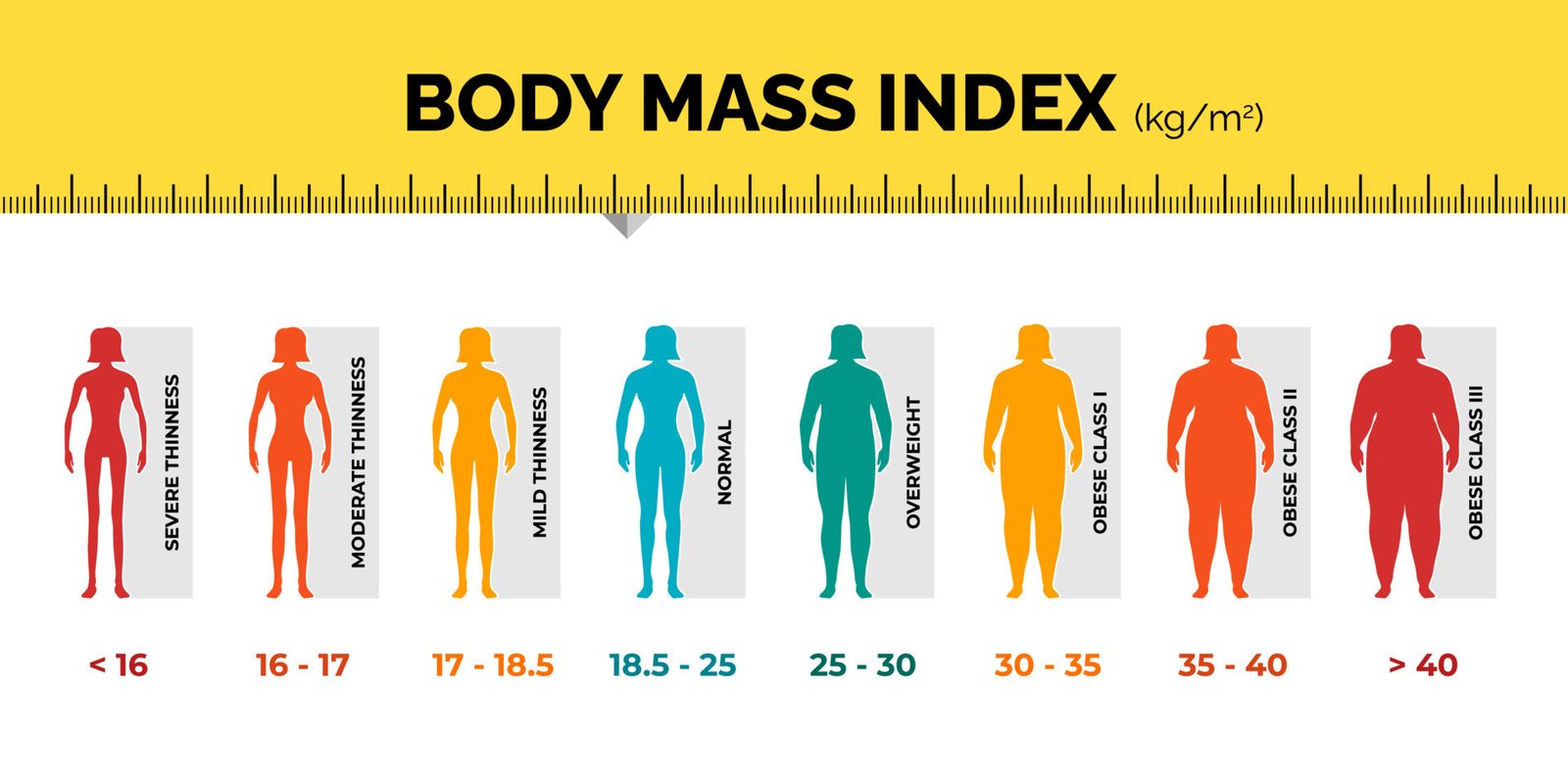
The BMI is a valuable tool for determining an individual’s degree of obesity and excess weight. It is determined as a percentage of the individual’s weight and height. The amount of body fat tends to grow with BMI, which increases the risk for several metabolic illnesses. Increased muscular mass, as seen in bodybuilders, and medical illnesses that cause the body to retain more water, like hypothyroidism, liver, and renal ailments, can also cause an individual’s BMI to rise. Your Bariatric Surgeon will also take into account other elements like measures of the skinfold thickness, assessments of your nutrition, level of physical activity, and family history.
Years of Experience
Suregries
Happy Patients
Bariatric surgery is typically considered as an option for individuals who are severely obese and have been unsuccessful in achieving weight loss through non-surgical methods such as diet and exercise. While specific criteria may vary depending on the healthcare provider and country, the general guidelines for bariatric surgery candidacy include:
Body Mass Index (BMI): Candidates generally have a BMI of 40 or higher, or a BMI of 35 or higher with obesity-related health conditions such as diabetes, hypertension, or sleep apnea. In some cases, individuals with a lower BMI may also be considered if they have significant weight-related health issues.
Failed Weight Loss Attempts: Candidates should have attempted and failed to lose weight through non-surgical methods such as diet, exercise, and behavior modifications over a significant period.
Commitment to Lifestyle Changes: Bariatric surgery candidates must demonstrate a willingness to adopt and maintain long-term lifestyle changes, including dietary modifications, regular physical activity, and adherence to post-surgical guidelines.
Age and Health Status: Generally, candidates should be between the ages of 18 and 65. However, there may be exceptions based on individual circumstances. Candidates must also be in generally good health, with no uncontrolled medical conditions that could pose a high risk during surgery.
Psychological Evaluation: Candidates typically undergo a psychological evaluation to assess their mental and emotional readiness for surgery. This evaluation helps identify any underlying psychological conditions that could impact the success of the surgery or post-surgical lifestyle changes.
Consult Dr. Achal Agrawal at Indore Laparoscopy Center for Bariatric Surgery In Indore.
Your Weight Loss Journey Starts Here
1
Consultation
Meet our bariatric specialist.
2
Health Assessment
Get a personalized treatment plan.
3
Bariatric Surgery
Safe, advanced laparoscopic procedure.
4
Recovery Support
Diet guidance and post-surgery care.
5
Long-Term Follow-Up
Regular check-ups for lasting results.
Start Your Weight Loss Journey Today
Frequently Asked Questions -:
Our BMI Calculator helps you quickly determine your Body Mass Index (BMI) based on your height and weight. It is a useful first step in assessing your weight status and determining whether you may benefit from medical or bariatric evaluation.
BMI is one of the key factors used to assess eligibility for bariatric surgery. Your surgeon will also consider your overall health, obesity-related conditions, and previous weight-loss efforts before recommending treatment.
If your BMI is in the overweight or obese range, consult a bariatric specialist for a comprehensive evaluation. Depending on your health and weight-loss goals, lifestyle changes, medical treatment, or bariatric surgery may be recommended.
BMI is calculated by dividing your weight in kilograms (kg) by your height in meters squared (m²). The formula is: BMI = Weight (kg) ÷ Height² (m²).
For most adults, a BMI between 18.5 and 24.9 kg/m² is considered a healthy weight range. BMI should be interpreted alongside factors such as age, muscle mass, and overall health.
You can calculate your BMI at home by measuring your height and weight and entering them into a BMI calculator. The result provides an estimate of whether your weight falls within the underweight, healthy, overweight, or obese category.