
How to Choose Between Gastric Sleeve Surgery and Gastric Bypass Surgery
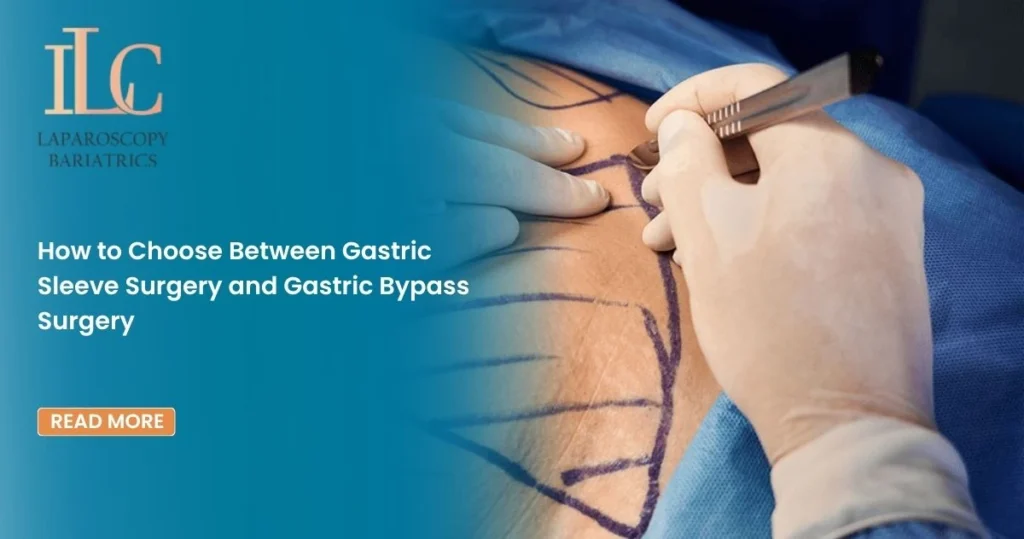
Bariatric surgery has proven to be a long-term weight loss solution for those with excessive weight and obesity-related illnesses. Some of the most popular surgeries include Gastric Sleeve Surgery and gastric bypass surgery. Both treatments have been shown to give patients significant weight loss, but the best option for a patient depends on their medical condition, lifestyle and long-term health goals. Patients should know the difference between these two procedures and be informed accordingly with sound medical advice. Gastric Sleeve Surgery Explained Gastric sleeve surgery (sleeve gastrectomy) is a surgery in which a large part of the stomach is removed, leaving a small, sleeve-shaped stomach. This is beneficial for patients to feel full earlier and eat less. The process also lowers hunger hormones, which can lead to better eating control. Many people seeking Weight Loss Surgery choose to have a gastric sleeve. Benefits may include: Gastric Bypass Surgery – What is it? However, Gastric Bypass Surgery is a more complicated bariatric procedure which alters the size of the stomach as well as the digestive route. A small stomach pouch is made, and the small intestine is bypassed to decrease the absorption of calories. This is a procedure that is usually advised for individuals who have a really serious obesity issue, as well as uncontrolled diabetes, acid reflux or metabolic conditions that require more intensive weight-loss. The weight loss and the improvement of obesity-related diseases may be faster after the gastric bypass surgery. Factors to Consider Before Choosing Here are some important conditions to consider while choosing which procedure you will undergo: These factors will be discussed thoroughly by an Experienced Bariatric Surgeon in order to determine the best procedure. Importance of Expert Medical Guidance Bariatric surgery is not for everyone. Safe and successful outcomes depend upon proper diagnosis, nutritional evaluation and follow-up care over time. Patients must always receive advice from experienced specialists, who can plan their treatment and give them realistic advice. Conclusion When used correctly, both gastric sleeve surgery and gastric bypass surgery can give life-changing results. It would really be each and every patient & what their health situation, target plugs on weight loss & all of their medical ancestry. Dr Achal Agrawal is one of the most famous and internationally trained surgeons known for expertise in advanced bariatric and minimally invasive procedures. His primary focus is on the patient-centred perspective of each person, reviewing their individual case in detail and offering safe, efficacious, permanent strategies for long-term weight loss that will result in lasting health benefits and resolution.
How Bariatric Surgery Improves Sleep Quality and Reduces Sleep Disorders

Bariatric surgery is most commonly referred to as a weight-loss procedure, but its repercussions extend beyond body mass. One of the best perks of this is sleep for many patients. And as obesity is more commonly associated with various sleep issues, such as sleep apnea, snoring, and lower quality of sleep, losing some pounds can produce results. How Bariatric Surgery Helps Sleep Bariatric surgery can aid sleep by alleviating airway pressure and making breathing easier at night. Reduced airflow obstruction occurs when there is less excess fat around the neck and upper body area. That means, in your case, fewer breathing pauses so frequently, less snoring and also lesser variability in the oxygen levels in your sleep time. Sleep Disorders Linked to Obesity Being Obese can lead to an increased risk of a number of sleep-related issues. The most common include: Such problems can impact energy, focus, mood, and day-to-day performance. For many, the severity of these conditions is improved with Weight Loss After Surgery. Benefits After Surgery Bariatric patients report clear sleep improvements. These benefits may include: Some patients also notice their Sleep Apnea Symptoms Get Better, possibly meaning less need for CPAP support, medically supervised. Follow-Up Care and Monitoring Bariatric surgery patients should follow up every 6 months for the first two years, but regular sleep evaluations are important to monitor progress and adapt treatment if necessary. Patients with sleep apnea, particularly if symptoms improve slowly. Continue care makes sure breathing, she reports weight loss, and sleep quality improve safely over time. When Improvement May Take Time Overnight, sleep doesn’t get better. There are patients who require more time to become well, establish new habits, and continue shedding pounds before changes become apparent. Follow-up Care is Important, too, especially in those with any current sleep apnea or a diagnosed sleep disorder. Having medical guidance enables treatments to be maintained in a safe and effective way Conclusion The effect of weight loss with bariatric surgery on sleep quality and obesity-related sleep disorders is also significant. It can also relieve airway pressure, reduce body weight and improve respiratory mechanics, enabling patients to not only sleep more easily at night but also wake up feeling much fresher in the morning. Results vary, but many find that their sleep, energy level after the surgery, and quality of life improve substantially.
Am I the Right Candidate for Bariatric Surgery?

In cases where diet and exercise cannot provide weight loss of any substantial value, many people turn to the option of bariatric surgery as a long-term solution. Dr. Achal Agrawal, being among the best bariatric surgeons in Indore, assists his patients in deciding whether they qualify to undergo this life-changing process. Who is eligible to undergo Bariatric Surgery? Individuals with a Body Mass Index (BMI) of 35kg or more, or 30kg with obesity-related diseases such as diabetes or high blood pressure, are typically considered. Surgical methods, such as gastric sleeve surgery in Indore, mini Gastric Bypass Surgery in Indore, or sleeve gastrectomy weight loss surgery in Indore, may be a suitable choice depending on the individual’s health status. When it comes to Health Conditions Additional health benefits could be achieved through Metabolic Surgery in Diabetes in Indore or gastric bypass surgery in Indore in case you have diabetes, high cholesterol, and sleep apnea. Dr. Achal Agrawal examines your entire medical history and then prescribes the most appropriate procedure. Psychological and Emotional Awareness Surgery will demand a commitment to a lifetime lifestyle change. The candidates must be ready to go on strict diets, work out, and attend follow-ups. This is why it should be recommended by a professional bariatric doctor in Indore. Why Expert Advice Matters Each patient’s case is unique. Bariatric hospitals in Indore are safe with high-tech support systems and facilities. By measuring the cost of bariatric surgery in Indore, including recovery and outcomes, patients can make informed decisions. Final Thoughts Not all people qualify to undergo surgery, but with a proper assessment, many people can be helped with Indore bariatric surgery. With Dr. Achal Agrawal, the patients are provided with a personalized bariatric treatment in Indore, which guarantees safe operations and long-term outcomes.
Minimally Invasive Bariatric Surgery in Indore – Benefits & Recovery
TL;DR In India, obesity is an increasing health issue, and in most cases, it results in severe health complications like type 2 diabetes, hypertension, and discomfort. Bariatric Surgery may provide a lasting solution to people compelled by the lack of weight loss to diet and exercise. Nowadays, medical technology has made these operations less dangerous and more successful due to the application of minimally invasive surgery in Indore. Minimally invasive bariatric surgery involves the use of advanced laparoscopes, which enable surgeons to carry out complicated procedures of weight loss with minimal incisions. This is highly beneficial in terms of pain, recovery duration and surgical complications as opposed to the conventional open surgery. What Is Minimally Invasive Bariatric Surgery? Minimally invasive bariatric surgery is defined as a Weight Loss Surgery involving laparoscopic surgery or robotic surgery. The surgeon uses a camera and a number of special instruments to be introduced inside the body via small holes made instead of the large cuts. Common minimally invasive bariatric procedures include: The procedures have been highly suggested to patients who are severely obese or have metabolic problems caused by obesity. Benefits of Minimally Invasive Surgery There are a few benefits of Minimally Invasive Surgery In Indore, which patients opting to have surgery can enjoy over the traditional one. Smaller IncisionsThe procedure involves small surgical incisions, and this implies that scarring and tissue destruction are minimal. Less Pain After SurgeryPost-operative discomfort in patients is normally reduced as a result of the minimal surgical trauma. Faster RecoveryDepending on the procedure and personal health issues, most of them are able to get on with their lives in just a few weeks. Lower Risk of ComplicationsMinimally invasive methods minimize risks of infection, bleeding, and other risks of the surgery. Improved Weight Loss OutcomesBariatric surgery assists patients in attaining the principles of longevity, weight loss, and improved management of obesity-related diseases. Recovery After Bariatric Surgery Minimally invasive bariatric surgery is also perceived to be quicker to heal than traditional surgery. It is common that after the procedure, patients are advised to take a walk a couple of hours later to increase circulation and healing. Post-surgery recovery typically includes: By complying with these tips, one is likely to achieve success with weight loss in the long run and avoid any complications. Conclusion Bariatric Surgery has been revolutionized through the least invasive surgery that has provided safer operation, faster recovery, and long-term successful results. Through modern methods and skilled surgeons, patients are able to record great gains in health and living conditions. In case you are planning weight loss surgery, you can see a specialist in minimally invasive surgery in Indore, and the specialist can help to decide which type of treatment best suits your patient.
Gastrectomy vs Gastrostomy – What’s the Difference?
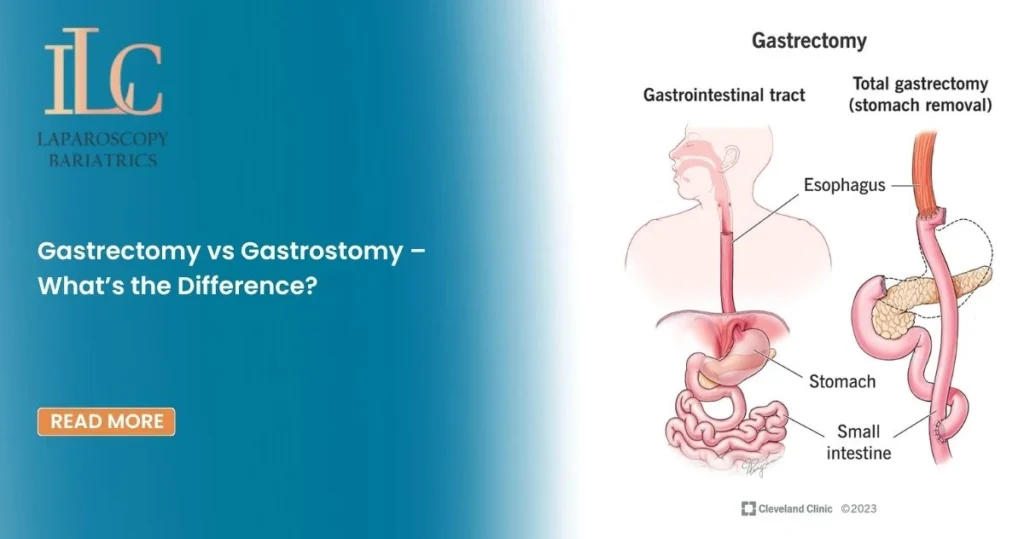
TL;DR Medical terms such as gastrectomy and gastrostomy are similar to each other, and as a result, they may confuse a patient who does their research on the processes of the stomach. These two treatments, however, are completely different. Such concepts as gastrectomy vs gastrostomy can be explained in order to allow patients to make appropriate and informed choices regarding healthcare, particularly in terms of Weight Loss or nutritional support operations. What Is Gastrectomy? A gastrectomy is a surgical procedure in which a part of the stomach is excised. It is carried out to cure stomach cancer, ulcers, or to combat obesity. Sleeve gastrectomy is one of the most widely practiced Bariatric Surgeries in contemporary times, as it excises a significant part of the stomach to assist patients in losing weight. During sleeve gastrectomy weight loss surgery in Indore, surgeons decrease the stomach size by roughly 70–80%. This creates a tube-shaped stomach. This smaller stomach reduces the amount of food consumed and decreases the number of hunger hormones, which help the patients attain tremendous and long-lasting weight loss. Benefits of Sleeve Gastrectomy Patients who undergo Sleeve Gastrectomy Weight Loss Surgery in Indore are normally suggested to adopt a structured diet plan in the post-surgical. Calories After Sleeve Gastrectomy Calories taken after the operation should be well regulated to aid in recovery and proper weight loss. Typically, patients consume: Such prescriptions guarantee good nutrition and also give the stomach time to get better and adapt to its lesser capacity. What Is Gastrostomy? Gastrostomy refers to a medical practice where a feeding tube is inserted directly to the stomach through the abdominal wall. Patients can be fed through this tube since they are unable to eat regularly. Gastrostomy is commonly used for individuals who: A gastrostomy will not excise any portion of the stomach, as opposed to a gastrectomy. Rather, it is a safe and efficient method of delivering nutrients straight to the digestive system. Key Differences Between Gastrectomy and Gastrostomy Feature Gastrectomy Gastrostomy Purpose Removes part of the stomach Provides feeding access to the stomach Common Use Weight loss surgery or cancer treatment Long-term nutritional support Surgical Approach Removal of stomach tissue Placement of feeding tube Impact on Digestion Reduces stomach size Digestion remains normal Conclusion Sleeve gastrectomy weight loss surgery in Indore patients must visit a qualified Bariatric Specialist who will assess their health status and understand whether it is the correct procedure to lose weight.
The Preparation for Gastric Bypass Surgery in Indore

Gastric Bypass Surgery Preparation Guide If you’re considering gastric bypass surgery as a solution for Weight Loss, preparation is the key to success. This procedure can be life-changing, but it requires planning, commitment, and the right support. Here’s a step-by-step guide to help you get ready. 1. Consultation with a Specialist Schedule a consultation with an experienced bariatric surgeon like Dr. Achal Agrawal in Indore. During this session, you’ll discuss your medical history, health status, and goals. Understanding the different types of Gastric Bypass procedures will help you make an informed choice. 2. Medical Assessments Expect a series of medical tests such as blood work, EKG, and imaging studies. These assessments ensure you’re fit for surgery and help identify potential risks. 3. Nutritional Evaluation Work with a registered dietitian to design a pre-surgery nutrition plan. Typically, this involves a high-protein, low-carb diet to reduce liver size and prepare your body for surgery. 4. Psychological Readiness A psychological evaluation helps ensure you’re mentally prepared for the lifestyle changes ahead. Developing coping strategies and building a support system is an important step. 5. Lifestyle Adjustments Start practicing healthy habits before surgery. Regular exercise, portion control, and mindful eating set the foundation for long-term success. 6. Preparing for Recovery Plan ahead by arranging family or friends to support you during recovery. Stock up on supplements and post-surgery nutrition essentials recommended by your medical team. 7. Pre-Operative Instructions Follow Dr. Achal Agrawal’s guidance on fasting, medication restrictions, and pre-surgery preparation. Attending pre-operative education sessions will also give you a clear picture of what to expect. Gastric Bypass Surgery in Indore: Setting the Stage for Success Gastric bypass surgery in Indore can truly transform your health. By preparing thoroughly and working closely with Dr. Achal Agrawal and his team, you’re laying the groundwork for long-term success. Remember, your dedication during this phase plays a big role in your recovery and lasting results.