
TL;DR
- Begin with liquids and move to soft food then to balanced meals
- Calories rise from ~500 to 1000–1200 daily
- Prioritize 60–80g protein daily
- Do not eat sugar, avoid eating too much and do not miss supplements
- Individualized instructions guarantee healthy weight loss and healing
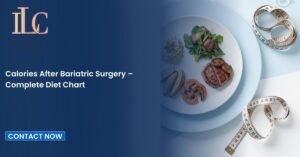
Weight loss after bariatric surgery does not occur due to surgery since it closely relies on adherence to the appropriate bariatric surgery diet plan. The awareness of the quantity of calories intake following bariatric surgery and the intake during each phase of the healing is crucial in recovery, loss of weight, and diabetes management.
All patients have their uniqueness, but the majority undergoes a systematized bariatric diet, which consists of several stages to secure the stomach, without stealing nutrients and eliminating any complications.
Stage-Wise Bariatric Diet Plan
Stage 1: Liquid Diet (Week 1–2)
This is the stage of hydration and light nutrition.
Daily calories: ~400–600 kcal
Includes: clear soups, fluids that are sugar-free and diluted with proteins, coconut water.
The liquid diet after bariatric surgery gives the stomach time to recover with the avoidance of dehydration.
Stage 2: Pureed & Soft Foods (Week 3–4)
Other foods are mixed or pounded into a fine nourishment.
Daily calories: ~600–800 kcal
Includes: mashed dal, curd, soft paneer, pureed vegetables, scrambled eggs
This is where protein becomes relevant to maintain the muscle mass.
Stage 3: Soft Solids (Week 5–6)
The patients slowly progress to normal textures.
Daily calories: ~800–1000 kcal
Includes: canned fruits, cooked vegetables, grilled fish or chicken, lentils.
This step is the basic of your post bariatric surgery meal plan in the long run.
Stage 4: Regular Healthy Diet (After 6 Weeks)
Portion controlled balanced meals are made normal.
Daily calorie intake after gastric bypass or sleeve: typically 1000–1200 kcal
Pay attention to lean proteins, vegetables with a high fiber content, and healthy fats and exclude sugar and processed foods.
Protein Intake After Bariatric Surgery
Protein plays a vital role in repairing and losing weight.
The majority of patients should have 60-80 grams of protein daily, which may be obtained by means of eggs, dairy, legumes, fish, or medical protein supplements. Lack of sufficient protein may delay a recovery and result in the loss of muscle.
Gastric Bypass Diet Chart vs Sleeve Gastrectomy
Although the processes are similar in terms of phases, vitamins and calories monitoring in gastric bypass patients may be more rigid. The plan is customized by your surgeon and dietitian depending on the type of procedure, weight loss and metabolic health.
Common Mistakes to Avoid
- Too fast eating or not eating at all.
- Focusing on nutritional carbohydrates more than protein.
- Drinking fluids with meals
- Disregard of vitamin supplementation.
- Increasing above the prescribed amounts of calories.
Such habits may either slow down weight loss or make one uncomfortable.
Expert Guidance Matters
Dr. Achal Agrawal believes that successful, long term weight loss is premised on disciplined eating, sufficient protein and regular follow visit. His intervention uses a combination of surgery and controlled nutrition advice to safely increase weight loss and remission of diabetes.
Final Thoughts
A well-planned diet after bariatric surgery is as important as the procedure itself. The consistent achievement of protein targets (via a stage-based bariatric diet), maintenance of calorie intake guarantees healthy weight loss and a better metabolic condition.
Professional dietary supervision is also important to ensure long term results especially when one has undergone bariatric surgery or is planning to.