TL;DR
- Minimally invasive surgery for obesity treatment with small incisions
- Delivers less pain, quicker recovery, and a lower risk of complications.
- Aids in treating obesity and related illnesses like diabetes.
- Lifestyle changes and diet help you maintain your success long-term.
In India, obesity is an increasing health issue, and in most cases, it results in severe health complications like type 2 diabetes, hypertension, and discomfort. Bariatric Surgery may provide a lasting solution to people compelled by the lack of weight loss to diet and exercise. Nowadays, medical technology has made these operations less dangerous and more successful due to the application of minimally invasive surgery in Indore.
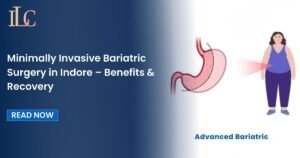
Minimally invasive bariatric surgery involves the use of advanced laparoscopes, which enable surgeons to carry out complicated procedures of weight loss with minimal incisions. This is highly beneficial in terms of pain, recovery duration and surgical complications as opposed to the conventional open surgery.
What Is Minimally Invasive Bariatric Surgery?
Minimally invasive bariatric surgery is defined as a Weight Loss Surgery involving laparoscopic surgery or robotic surgery. The surgeon uses a camera and a number of special instruments to be introduced inside the body via small holes made instead of the large cuts.
Common minimally invasive bariatric procedures include:
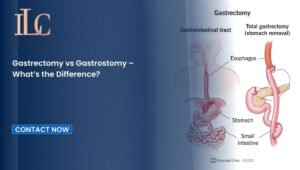
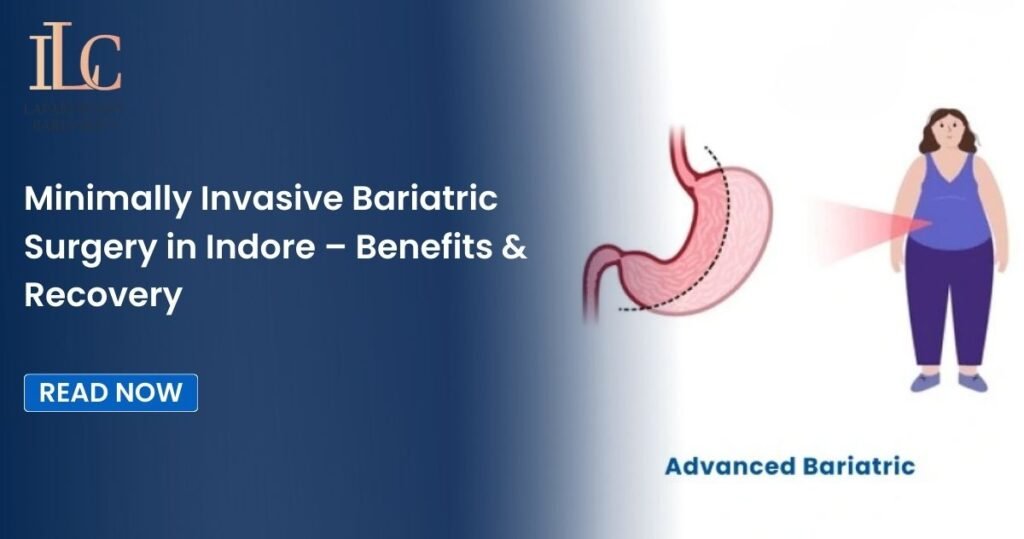
- Laparoscopic Sleeve Gastrectomy – This involves making the stomach small in order to restrict the amount of food one can eat.
- Gastric Bypass Surgery – This procedure also alters the digestive tract in order to minimize the calorie intake.
- Mini Gastric Bypass – This is a modified form of gastric bypass and helps in weight loss and enhancement of metabolism.
The procedures have been highly suggested to patients who are severely obese or have metabolic problems caused by obesity.
Benefits of Minimally Invasive Surgery
There are a few benefits of Minimally Invasive Surgery In Indore, which patients opting to have surgery can enjoy over the traditional one.
Smaller Incisions
The procedure involves small surgical incisions, and this implies that scarring and tissue destruction are minimal.
Less Pain After Surgery
Post-operative discomfort in patients is normally reduced as a result of the minimal surgical trauma.
Faster Recovery
Depending on the procedure and personal health issues, most of them are able to get on with their lives in just a few weeks.
Lower Risk of Complications
Minimally invasive methods minimize risks of infection, bleeding, and other risks of the surgery.
Improved Weight Loss Outcomes
Bariatric surgery assists patients in attaining the principles of longevity, weight loss, and improved management of obesity-related diseases.
Recovery After Bariatric Surgery
Minimally invasive bariatric surgery is also perceived to be quicker to heal than traditional surgery. It is common that after the procedure, patients are advised to take a walk a couple of hours later to increase circulation and healing.
Post-surgery recovery typically includes:
- After a bariatric diet program.
- Slowly evolving or changing the liquid into solid foods.
- Frequent communication with the nutritionist and the surgeon.
- Physical exercise and lifestyle transformation.
By complying with these tips, one is likely to achieve success with weight loss in the long run and avoid any complications.
Conclusion
Bariatric Surgery has been revolutionized through the least invasive surgery that has provided safer operation, faster recovery, and long-term successful results. Through modern methods and skilled surgeons, patients are able to record great gains in health and living conditions.
In case you are planning weight loss surgery, you can see a specialist in minimally invasive surgery in Indore, and the specialist can help to decide which type of treatment best suits your patient.