
Trusted Bariatric Surgery Doctor in Indore

Bariatric Surgery Indore Bariatric surgery, also called weight loss surgery, is a category of surgical operations intended to help people with obesity lose weight. Bariatric surgery procedures work by modifying your digestive system — usually your stomach, and sometimes also your small intestine — to regulate how many calories you can consume and absorb. They can also reduce the hunger signals that travel from your digestive system to your brain. These procedures can help treat and prevent many Metabolic Diseases related to obesity, including diabetes and fatty liver disease. But weight loss surgery isn’t an easy “quick fix”. It requires preparation beforehand and long-term lifestyle changes afterward to be successful. Why is bariatric surgery done? Bariatric Surgery is the most successful long-term treatment for class III obesity. According to the National Institutes of Health (NIH), it is nearly impossible for people with class III obesity to sustain weight loss through diet and exercise alone. Once your body has registered your higher weight as “normal,” it continues to try to return to that weight. Bariatric surgery works by changing how your body manages what you eat, allowing healthy diet and lifestyle changes to be effective for sustained weight loss and health. Conditions that bariatric Surgery treat simultaneously : Obesity is associated with many chronic diseases, many of which can be life-threatening. Hyperlipidemia (high cholesterol) Hypertension (high blood pressure) Hyperglycemia (high blood sugar) Type 2 diabetes Heart disease Obstructive sleep apnea Eligibility for bariatric Surgery BMI of at least 40 and an obesity-related medical condition. BMI of at least 35 and a severe obesity-related medical condition. How is weight loss surgery performed? Weight loss surgery is usually performed through minimally invasive methods (laparoscopic surgery). That means small incisions, faster healing and less pain and scarring than you would have with traditional open surgery. What are the different types of bariatric surgery? Gastric sleeve The gastric sleeve, also called Sleeve Gastrectomy, is the most commonly performed bariatric surgery. This may be because it’s a relatively simple procedure that’s safe to perform on most people with little risk of complications. The gastrectomy simply removes a large portion of your stomach — about 80% — leaving behind a small, tubular portion, like a sleeve. This naturally reduces the amount of food you can consume in one sitting and makes you feel fuller faster. But it also reduces the hunger hormones that are normally produced in your stomach. This helps to stabilize your metabolism, decreasing your appetite and regulating your blood sugar. Gastric bypass The Gastric Bypass is also known as the “Roux-en-Y,” which is a French term meaning “in the form of the letter Y.” With this procedure, your small intestine will end up in that form. First, surgeons create a small pouch at the top of your stomach, separating it from the lower portion with surgical staples. Then they divide your small intestine and bring the new segment up to connect to the stomach pouch. Food will now flow through the new, smaller stomach and lower segment of your small intestine, bypassing the rest. This restricts how much your stomach can hold and also how much nutrition your small intestine can absorb. Restricting the small intestine makes this method more effective than gastric restriction alone. Biliopancreatic Diversion with Duodenal Switch (BPD-DS) This is the original version of the duodenal switch, an operation that combines a sleeve gastrectomy with an intestinal bypass. (It sometimes goes by a shorter name: Gastric Reduction Duodenal Switch). It’s similar to the Roux-en-Y gastric bypass but more extreme. This operation bypasses most of your small intestine — about 75%. This significantly reduces the hunger hormones produced in your small intestine as well as in your stomach. It also significantly restricts how much nutrition your small intestine can absorb. This is what makes the duodenal switch the most effective surgery for weight loss and for improving metabolic syndromes like diabetes. But it can also make it hard for your body to absorb enough nutrients to stay healthy. Stomach Intestinal Pylorus Sparing Surgery (SIPS) This newer procedure is a modified version of the original duodenal switch, intended to reduce complications. It also goes by the names Loop Duodenal Switch or SADI-s. Like the original, it begins with a sleeve gastrectomy, then divides the first part of the small intestine just after the stomach (the duodenum). This time, the small intestine is reattached as a loop, which requires just one surgical connection (anastomosis) instead of two. It also means that less of the small intestine is bypassed, allowing for a little more absorption of nutrients. Postoperative Care During the first year after your surgery, your surgeon will see you regularly for follow-up visits and testing. They will advise metabolic blood tests to monitor how your health is improving and screen for any nutritional deficiencies. After the first year, if you’re in good health and have lost a lot of weight, you may want to discuss body contouring options with your healthcare provider. Body contouring can help remove excess skin folds and tighten loose tissues. Advantages of Bariatric Surgery Significant, sustained weight loss – Surgery is the only treatment that has been proven effective for class III obesity over the long term. Reduced hunger hormones and improved metabolism – Surgery is the only obesity treatment that rewires your body’s metabolic programming after obesity to prevent weight regain. Cholesterol and blood sugar management – Weight loss surgery often causes remission of diabetes symptoms and allows people with various metabolic syndromes to discontinue medications. A longer, healthier life – In addition to reducing diseases and discomforts related to obesity, weight loss surgery can actually extend your life. Large scientific studies have shown that bariatric surgery reduces the risks of death from any cause by over 40%. Recovery You’ll likely spend a few days recovering in the hospital, then a few weeks recovering at home before you feel ready to go back to work. You may need to avoid strenuous activity for up to six weeks, and it may take up to 12 weeks to resume a normal diet. Schedule Your Weight Loss Consultation
Scaling Down: A Bariatric Journey to a Lighter Life

Scaling Down in Indore: A Bariatric Journey of Transformation In the vibrant city of Indore, where life unfolds amidst a tapestry of colors and experiences, individuals on the quest for a lighter, healthier life often find solace in the transformative journey of bariatric surgery. “Scaling Down” is not just a blog; it’s a narrative of hope and resilience, showcasing how this surgical path can lead to a profound transformation. Let’s explore this journey and shed light on the expertise of leading specialists like Dr. Achal Agrawal, widely regarded as one of the Best Bariatric Surgeons in Indore. The Challenge of Weight Management For many, weight management is a complex and challenging journey, often marked by frustration and setbacks. “Scaling Down” introduces an alternative narrative, one that goes beyond traditional approaches. In Indore, individuals seeking effective and lasting solutions frequently turn to bariatric surgery, a decision that involves scaling down not just in terms of weight but also in the burdens carried by obesity. With years of expertise in bariatric surgery in Indore, Dr. Achal Agrawal has guided countless patients toward healthier, more fulfilling lives. Transformative Bariatric Surgery: Expertise in Indore The keyword here is expertise. The best bariatric doctors in Indore, including Dr. Achal Agrawal, play a pivotal role in guiding individuals through this transformative journey. These professionals bring a wealth of experience and skill to the table, ensuring that each patient receives personalized care and attention throughout the process. “Scaling Down” delves into the various dimensions of bariatric surgery, from the initial consultations to the post-operative period. It emphasizes that this journey is not solely about shedding excess weight but also about scaling down health risks, enhancing overall well-being, and reclaiming a life unencumbered by the limitations of obesity. Expert Bariatric Care in Indore In Indore, where the vibrancy of life is cherished, “Scaling Down” serves as a compass for those navigating the bariatric journey. It highlights the significance of seeking guidance from the best bariatric surgeon in Indore and underscores the supportive environment created by specialists dedicated to patient success. Through skill, compassion, and commitment, bariatric care continues to empower individuals to scale down the barriers that hinder their pursuit of a lighter, healthier life.
Sculpting Health: Navigating Bariatric Surgery

Sculpting Health: Navigating Bariatric Surgery in Indore In the vibrant city of Indore, where life unfolds against the backdrop of culture and dynamism, individuals seeking a transformative journey toward health often turn to the expertise of bariatric surgery. Sculpting Health: Navigating Bariatric Surgery in Indore is not just a phrase; it’s a guiding compass for those on the path to a healthier and more fulfilling life. Here, specialists like Dr. Achal Agrawal play a vital role in helping patients take confident steps toward lasting transformation. The Art and Science of Bariatric Surgery in Indore Indore, known for its rich heritage and bustling lifestyle, is also home to individuals on diverse health journeys. For many navigating the challenges of obesity, bariatric surgery becomes a beacon of hope. The phrase “Sculpting Health” takes on a deeper meaning here, symbolizing the intentional and life-changing process that unfolds through advanced surgical care. Among the Best Bariatric Surgeons in Indore, Dr. Achal Agrawal is recognized for blending medical precision with a compassionate approach, offering patients both safety and long-term results. Transforming Lives Through Bariatric Surgery Sculpting Health explores the multifaceted nature of bariatric surgery. It’s not just about losing weight; it’s about reshaping habits, improving health, and reclaiming confidence. This journey highlights not only the physical benefits but also the mental and emotional growth that comes with sustained weight management. With more than 18 years of surgical expertise, Dr. Achal Agrawal has helped countless individuals experience these transformations in Indore. A New Chapter of Health and Vitality As people in Indore embark on their journey of sculpting health through Bariatric Surgery, they discover more than a procedure—they find a new beginning. Guided by skilled surgeons who combine artistry with science, patients experience improved well-being and a renewed sense of life in this vibrant city. Schedule Your Weight Loss Consultation
Bariatric Surgery and Health Benefits: More Than Just Weight Loss

Bariatric Surgery in Indore: Beyond Weight Loss Benefits In the heart of Indore, where the cultural tapestry is woven with vibrancy, individuals seeking transformative health solutions often find hope in the form of bariatric surgery. Bariatric Surgery and Health Benefits: More Than Just Weight Loss in Indore unravels the layers of this transformative journey, spotlighting the holistic advantages that extend far beyond shedding pounds. Specialists like Dr. Achal Agrawal, a trusted name in the field, have helped countless patients take this important step toward lasting health. Bariatric Surgery in Indore: A Path to Holistic Health Indore, a city known for its rich heritage and bustling lifestyle, becomes the backdrop for a journey toward improved health through bariatric surgery. In this context, the phrase “Bariatric Surgery in Indore” takes on a special significance, representing a fusion of modern medical advancements with the cultural ethos of the city. With more than 18 years of experience, Dr. Achal Agrawal has been at the forefront of guiding patients through procedures like gastric bypass and sleeve gastrectomy, which not only reduce excess weight but also improve metabolic health and conditions like type 2 diabetes. Beyond Weight Loss to Total Wellness The phrase More Than Just Weight Loss in Indore echoes through the corridors of cardiovascular health, as patients experience reductions in blood pressure and cholesterol levels. Bariatric surgery becomes a proactive step toward preventing heart-related issues and supporting a healthier lifestyle. Under the care of experienced professionals such as Dr. Achal Agrawal, patients also find support that extends beyond the operating room, addressing both their physical recovery and emotional well-being. A Transformative Path in Indore In Indore, bariatric surgery not only contributes to physical health improvements but also catalyzes mental and emotional growth. Many patients report reduced symptoms of depression and anxiety, along with a renewed sense of confidence. As Bariatric Surgery in Indore continues to unfold its transformative narrative, it becomes clear that this journey is about sculpting a life enriched with improved health, vitality, and self-esteem. Beyond the visible weight loss, the holistic benefits stand as a testament to the profound impact bariatric surgery can bring to individuals choosing this path in the heart of Indore.
Maintaining Weight Loss After Bariatric Surgery: Long-Term Strategies with the Best Bariatric

Maintaining Weight Loss After Bariatric Surgery in Indore Bariatric surgery can be a life-changing step toward significant weight loss and improved health. But long-term success doesn’t end in the operating room—it depends on lifestyle changes, commitment, and ongoing support. With the guidance of experienced surgeons like Dr. Achal Agrawal, patients in Indore can follow proven strategies to maintain results and build healthier lives. 1. Follow Your Surgeon’s Guidance The journey doesn’t stop after surgery. Following the detailed plan provided by your surgeon is crucial. Dr. Achal Agrawal, one of the leading Bariatric Surgeons in Indore, ensures that every patient gets a personalized roadmap that includes dietary advice, exercise guidelines, and regular checkups. Staying consistent with these recommendations is key to long-term success. 2. Adopt a Healthy, Balanced Diet After bariatric surgery, your stomach capacity is reduced, so every bite counts. Work with a dietitian to create a nutrient-rich meal plan that avoids empty calories. Small, balanced meals filled with proteins, vegetables, and whole foods will help sustain weight loss. 3. Practice Portion Control Smaller, more frequent meals prevent discomfort and overeating. Paying attention to portion sizes is one of the simplest yet most effective habits you can build. 4. Make Exercise a Habit Physical activity not only supports weight management but also boosts mood and energy. Whether it’s walking, swimming, or gym workouts, find a routine you enjoy and can stick to. 5. Stay Hydrated Drink plenty of water throughout the day and avoid sugary drinks. Staying hydrated helps digestion and keeps your body functioning at its best. 6. Monitor Vitamins and Supplements Since bariatric surgery can affect nutrient absorption, regular blood tests and supplements are often necessary. Don’t skip this step—it’s essential for long-term health. 7. Find Support Joining support groups or connecting with others who’ve undergone bariatric surgery can help you stay motivated. Shared experiences often bring encouragement and practical tips. 8. Manage Stress Stress can lead to unhealthy eating habits. Mindfulness, yoga, or even a simple walk can go a long way in maintaining emotional balance. 9. Keep Up with Follow-Ups Regular follow-up appointments with your bariatric doctor are non-negotiable. Surgeons like Dr. Achal Agrawal track your progress, address any concerns, and adjust plans as needed. 10. Stay Patient and Persistent Weight loss isn’t always a straight line. Plateaus and small setbacks are normal. The key is to stay consistent and remember that this is a lifelong commitment. The Bottom Line Maintaining weight loss after bariatric surgery is about balance, discipline, and ongoing care. With the support of skilled experts like Dr. Achal Agrawal in Indore, patients can sustain their progress and enjoy a healthier, more fulfilling life. Every journey is unique, but with patience and persistence, long-lasting success is within reach.
Exploring Weight Loss Surgery: A Transformative Approach to a Healthier You

Weight Reduction Surgery in Indore: A Path to Better Health Weight reduction surgery, also known as bariatric surgery, is more than just a way to lose weight. It’s a powerful step toward long-term health, improved well-being, and freedom from obesity-related conditions. For individuals struggling with obesity and looking for effective solutions, Weight Loss Surgery can be life-changing. Understanding Weight Loss Surgery Weight loss surgery in Indore involves surgical procedures designed to help people achieve significant weight loss by altering the gastrointestinal system. These changes reduce calorie intake, improve metabolism, or both, making it easier for patients to lose and maintain weight. Types of Weight Loss Surgery Several surgical options are available, and the right choice depends on individual health needs and goals. Common procedures include: Gastric Bypass Sleeve Gastrectomy Adjustable Gastric Banding Biliopancreatic Diversion with Duodenal Switch Each has its own benefits and considerations. A consultation with an experienced surgeon like Dr. Achal Agrawal in Indore will help determine the best option for you. Benefits of Weight Loss Surgery Sustained Weight Loss: Achieve and maintain significant weight loss over the long term. Better Quality of Life: Increased energy, mobility, and confidence in everyday activities. Improved Health: Many obesity-related conditions, such as type 2 diabetes, high blood pressure, high cholesterol, and sleep apnea, often improve or resolve after surgery. Long-Term Results: When combined with healthy lifestyle changes, surgery offers lasting outcomes. Preparing for Surgery Before undergoing weight reduction surgery, it’s important to go through a thorough evaluation. Dr. Achal Agrawal and his team in Indore provide detailed consultations to assess your medical history, overall health, and readiness for the procedure. Transform Your Life with Bariatric Surgery in Indore Weight loss surgery can be the first step toward a healthier, more fulfilling life. With the guidance of Dr. Achal Agrawal, one of Indore’s leading Bariatric Surgeons, you can begin your journey toward sustainable weight loss and long-term wellness.
Bariatric Surgeries: Choosing the Right Doctor for Your Weight Loss Journey

Consulting a Bariatric Surgeon: What You Need to Know Individuals suffering from obesity can benefit from Bariatric surgery, which can change their lives. Finding the appropriate doctor is critical when considering such a major treatment. Various competent doctors are specializing in Bariatric Surgery for its excellent healthcare facilities. In this blog, we will cover the significance of choosing the proper doctor for your bariatric surgery. Expertise and Credentials Prioritize expertise and credentials when looking for a Bariatric Surgeries Doctor in Indore. Dr. Achal Agrawal, one of the Leading Bariatric Surgeons in Indore, is board-certified and has considerable experience performing advanced bariatric procedures, staying up to date on the latest surgical methods. Bariatric Surgery Specialization Select a specialist that specializes solely in Bariatric Surgery. Dr. Achal Agrawal’s focused expertise in bariatrics allows him to provide personalized and comprehensive care to his patients. Hospital Connections and Facilities Consider the doctor’s hospital connections and facilities. Bariatric surgery necessitates specialized equipment as well as a supportive medical team, both of which are available when consulting experts like Dr. Achal Agrawal. Patient Reviews and Testimonials Patient reviews and testimonials may reveal important information about a doctor’s abilities, bedside manner, and patient satisfaction. Many patients who have undergone bariatric surgery with Dr. Achal Agrawal in Indore have shared positive outcomes and experiences. Consultation and Compatibility Make an appointment with the doctor to discuss your weight reduction objectives, medical history, and concerns. Meeting directly with Dr. Achal Agrawal can help you feel confident and supported in your decision. How to Select the Best Bariatric Surgeon for a Successful Weight Loss Choosing the proper specialist for your bariatric surgery is critical for a successful weight reduction journey. Consider their experience, credentials, bariatric surgery specialization, hospital connections, and patient evaluations. Finally, it is critical to choose a doctor that not only has the essential expertise but also understands and supports your specific requirements. To make an informed decision, conduct extensive research and talk with various doctors.
Beyond the Scale: Exploring the Physical and Emotional Changes of Weight Loss Surgery

Life Beyond the Scale: Physical and Emotional Changes After Bariatric Surgery Weight loss surgery, also known as bariatric surgery, is more than just a way to lose weight. It can transform lives by improving health, boosting confidence, and reshaping daily habits. In Indore, patients often turn to experts like Dr. Achal Agrawal for guidance through this journey, ensuring both the physical and emotional aspects are well-managed. Physical Changes After Bariatric Surgery 1. Significant Weight Loss Bariatric surgery can lead to substantial and lasting weight loss. While the exact results depend on the procedure and individual factors, most patients shed a large percentage of their excess weight. This not only changes how they look but also improves overall health. 2. Resolution of Health Issues Many obesity-related conditions—such as type 2 diabetes, high blood pressure, sleep apnea, and joint pain—improve or even resolve after surgery. As the body sheds excess weight, physical function improves and everyday life becomes easier. 3. Changes in Body Composition It’s not just about numbers on the scale. Patients often notice a healthier body composition with reduced fat percentage and better muscle tone. This contributes to improved energy levels and physical strength. Emotional Changes After Bariatric Surgery Boost in Self-Confidence Losing significant weight often brings a renewed sense of self-esteem. Patients feel more confident in their bodies and start engaging in activities they once avoided. Improved Mental Health Weight loss surgery can positively impact mental health. Many people report reduced symptoms of depression and anxiety, along with an overall uplift in mood and outlook on life. Lifestyle Shifts and Relationships The surgery also requires long-term lifestyle changes. Healthier eating habits, regular physical activity, and new social connections with like-minded individuals often become part of the journey. Surgeons like Dr. Achal Agrawal emphasize these changes as vital to maintaining long-term success. Conclusion Bariatric Surgery is not a quick fix, but with dedication, it can bring lasting improvements in health, confidence, and quality of life. Regular follow-ups with healthcare professionals, participation in support groups, and a commitment to healthy living are essential. For those considering weight loss treatment in Indore, consulting a trusted specialist like Dr. Achal Agrawal can be the first step toward a healthier, more fulfilling future.
The Science Behind Weight Loss Surgery: How It Works and Its Impact on Health

The Science and Benefits of Bariatric Surgery Bariatric surgery, often called weight loss surgery, is a well-established treatment for people living with severe obesity. It not only supports long-term weight loss but also improves overall health and quality of life. In Indore, experienced specialists like Dr. Achal Agrawal, a trusted bariatric surgeon, help patients navigate this transformative journey with skill and care. 1. Restricting Food Intake One of the main ways bariatric surgery works is by reducing how much food the stomach can hold. Smaller stomach pouch: Procedures like sleeve gastrectomy and gastric bypass create a smaller stomach, limiting the amount of food a person can eat at one time. Reduced hunger hormones: These surgeries also affect hormones such as ghrelin, which lowers appetite and helps patients feel full sooner. 2. Changes in Digestion and Nutrient Absorption Some bariatric procedures alter how the digestive system processes food. Digestive rerouting: In gastric bypass, part of the small intestine is bypassed, reducing the number of calories and nutrients absorbed. Hormonal impact: These changes influence gut hormones, improving insulin sensitivity and helping regulate appetite. 3. Metabolic Improvements Bariatric surgery has far-reaching effects on metabolism. Better insulin sensitivity: It reduces insulin resistance, lowering blood sugar and decreasing the risk of type 2 diabetes. Hormonal balance: Surgery helps regulate hormones tied to satiety, appetite, and glucose metabolism. 4. Health Benefits Beyond Weight Loss The advantages of bariatric surgery extend well past shedding kilos. Diabetes management: Many patients experience remission or major improvements in type 2 diabetes. Heart health: Lower blood pressure and cholesterol reduce risks of cardiovascular disease. Relief from sleep apnea and joint pain: Weight loss eases strain on the respiratory system and joints, improving mobility and sleep quality. Conclusion: A Path Toward Better Health Bariatric surgery blends medical science with long-term health benefits. By restricting food intake, altering digestion, and resetting hormone balance, it offers life-changing results. For those in Indore considering this treatment, consulting an expert like Dr. Achal Agrawal, a leading Bariatric Surgeon in Indore, is the first step toward a healthier, more confident future. With his guidance and compassionate care, patients can embrace a journey of true transformation.
Consultation with Bariatric Surgeon: Diet, Exercise, and Lifestyle Changes

Bariatric Surgery: A Lifelong Commitment to Weight Loss Bariatric surgery is a Weight-Loss Treatment that limits how much food a person can eat, helping those struggling with obesity achieve healthier body weight. However, it’s important to understand that this procedure is not a quick fix. Bariatric surgery requires a lifelong commitment to healthy eating, regular exercise, and sustainable lifestyle changes. The Role of Diet After Bariatric Surgery Once you are cleared for surgery, you will need to make significant changes to your eating habits. Balanced diet: A high-protein, low-calorie diet that includes plenty of fruits and vegetables is essential. Supplements: To prevent nutritional deficiencies, vitamin and mineral supplements may also be necessary. These changes play a vital role in ensuring lasting weight loss and maintaining overall health. Exercise and Fitness Regular physical activity is just as important as diet. Exercise helps maintain weight loss, improves energy levels, and supports overall well-being. Depending on your current fitness level and goals, Dr. Achal Agrawal, an experienced Bariatric Surgeon in Indore, can recommend a suitable exercise plan tailored to your needs. Lifestyle Modifications Surgery alone isn’t enough—you’ll need to adopt healthy lifestyle habits such as: Quitting smoking Reducing alcohol intake Getting adequate sleep Building a strong support system of family and friends for motivation and encouragement These adjustments help reinforce the benefits of surgery and support long-term weight management. Consult the Best Bariatric Surgeon in Indore Bariatric surgery is a transformative procedure, but success depends on long-term dedication to diet, exercise, and lifestyle changes. Consulting with Dr. Achal Agrawal, one of the best bariatric surgeons in Indore, ensures you get expert guidance and support throughout your journey. With the right approach and medical care, you can achieve lasting weight loss, improved health, and a better quality of life.
Is Bariatric Surgery Right for You? The Screening Process and Criteria

Understanding the Screening Process and Criteria for Bariatric Surgery Bariatric Surgery is a proven medical procedure for individuals struggling with obesity who have not achieved success with diet, exercise, or other traditional weight-loss methods. With obesity-related conditions such as diabetes, hypertension, and sleep apnea becoming increasingly common, many people are turning to bariatric surgery as a long-term solution. However, not everyone qualifies for this life-changing treatment. The Screening Process The first step is a detailed evaluation by a bariatric specialist. This assessment typically includes: Reviewing the patient’s medical history and existing health conditions Discussing weight loss goals and previous attempts at managing obesity Input from a multidisciplinary team, which may include dietitians, psychologists, and physicians This process ensures that the surgery is both safe and effective for the patient. Eligibility Criteria You may be considered for bariatric surgery if: Your BMI is 40 or higher, or 35+ with at least one obesity-related condition (type 2 diabetes, high blood pressure, or sleep apnea) You’ve been unable to achieve sustained weight loss despite structured programs of diet and exercise You are mentally and emotionally prepared for the lifestyle changes surgery requires, including strict dietary adjustments, physical activity, and regular follow-up care You have no severe medical conditions that could make surgery unsafe, such as uncontrolled heart disease, a history of blood clots, or serious lung problems Mental and Emotional Readiness Long-term success after bariatric surgery depends on more than physical health. Patients must be mentally and emotionally prepared to: Commit to a new way of eating and living Attend regular follow-up appointments Take recommended vitamins and supplements to prevent nutritional deficiencies In many cases, a psychological evaluation helps identify readiness and rule out conditions such as eating disorders, depression, or substance abuse. Why Careful Evaluation Matters Bariatric surgery is not a quick fix. It’s a permanent, life-changing procedure that can dramatically improve health and quality of life when patients are carefully selected and fully committed. Consult an Expert If you’re considering bariatric surgery, it’s important to get a professional evaluation before making a decision. Dr. Achal Agrawal, a Leading Bariatric Surgeon in Indore, provides expert guidance, thorough assessments, and personalized care to help patients determine if surgery is the right path for them.
Bone Health after bariatric surgery
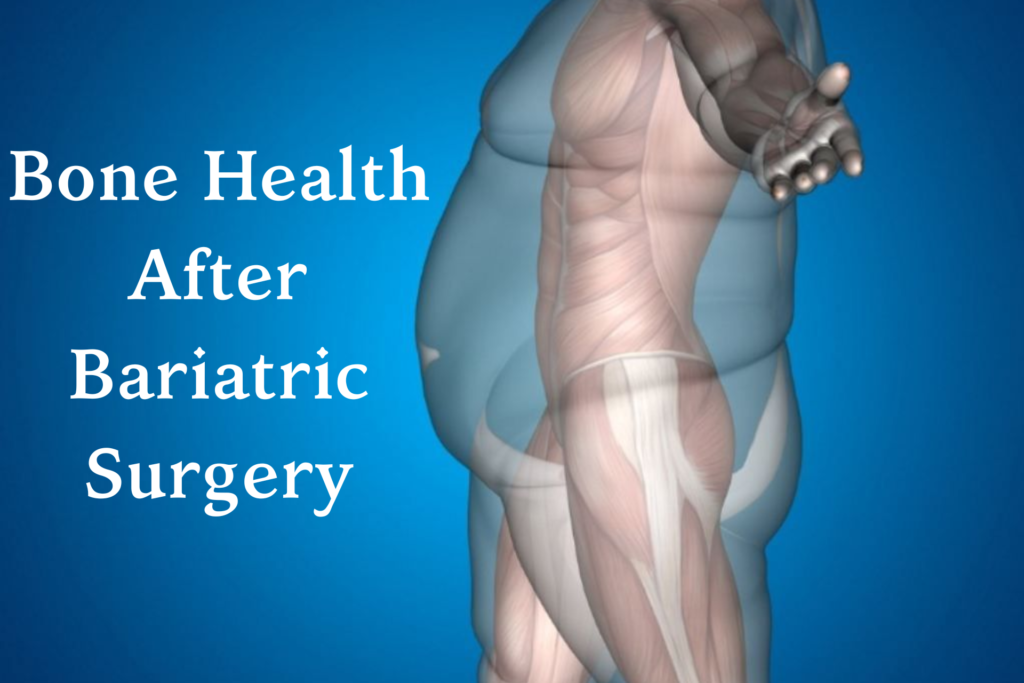
Strengthen Joints and Relieve Pain with Weight Loss Excess body weight and obesity put constant pressure on the joints, making them weak, painful, and less mobile. Over time, this discomfort limits daily activities and worsens obesity itself. Research has also linked obesity to imbalances in calcium, vitamin D, and parathyroid hormone levels, further impacting bone and joint health. Losing weight plays a vital role in strengthening joints, relieving pain, and lowering the risk of fractures, especially in the hip joint. It also reduces the chances of requiring a joint replacement surgery. Bariatric Surgery offers obese individuals a proven way to achieve sustainable weight loss and improve overall quality of life. Preoperative Nutrition and Lifelong Care After Bariatric Surgery While Bariatric Surgery provides undeniable health benefits, it requires thorough preoperative nutritional assessment and a lifelong commitment to follow-up care. Patients must focus on maintaining weight loss and adhering to aftercare guidelines to avoid complications. Nutritional Risks:Gastric sleeve surgery generally carries a lower risk of vitamin deficiencies compared to Gastric Bypass Surgery. Vitamin D and Hormones:Every patient preparing for bariatric surgery should be checked for vitamin D deficiency and hyperparathyroidism. Bone Health Monitoring:A DEXA scan isn’t recommended for all obese patients, but bariatric surgeons may suggest it based on individual risk factors—especially for postmenopausal women, women over 65, and men and women over 70. Although research doesn’t clearly confirm a higher prevalence of osteoporosis or fracture risk after bariatric surgery, patients can develop calcium and vitamin D deficiencies due to reduced dietary intake and lower absorption in the intestine. Essential Calcium and Vitamin D Tips Post-Surgery To maintain strong bones and avoid deficiencies, bariatric surgery patients must focus on calcium and vitamin D intake. Dr. Achal Agrawal, a leading bariatric surgeon in Indore, always emphasizes including natural or fortified food sources rich in these nutrients. Good sources of calcium include: Milk and dairy products Salmon and other fatty fish Green leafy vegetables Ragi (finger millet) Kidney beans Almonds Long-Term Monitoring for Bone Health Staying in touch with your Bariatric Surgeon and dietitian is essential for annual monitoring of bone density and correcting deficiencies on time. Regular follow-up ensures that risks are managed effectively and bone health remains strong in the years following Bariatric Surgery.
Lifestyle to Adapt After Bariatric Surgery

Post-Bariatric Surgery: Essential Health Guidelines Obesity is a complex disease that brings with it many health complications. Significant Weight Loss is possible with bariatric surgery, along with the correction of related medical conditions. According to Dr. Achal Agrawal, patients are expected to adjust to a new way of living that includes nutritious food, nutritional supplementation, physical activity, abstinence from alcohol and tobacco, and routine check-ups. Hydration and Protein Intake Keeping hydrated is crucial following surgery. To avoid nausea, kidney-related issues, constipation, and exhaustion, patients are encouraged to drink at least 2 litres of liquid or more every day. Patients must also concentrate on consuming enough total protein. Typically, patients must ingest 60 to 100 grams of protein each day, depending on their body weight and surgical procedure. To avoid energy loss and muscle wasting, Dr. Achal Agrawal advises patients to avoid foods high in sugar and refined carbohydrates. Essential Supplements and Lifestyle Changes Obese people frequently lack numerous vitamins and minerals. Following surgery, patients must take bariatric-specific vitamin and mineral supplements for the rest of their lives at a dose based on their unique blood results, including multivitamins, calcium, vitamin D, and iron. Patients who do not take vitamins daily for the rest of their lives may experience serious and even fatal problems. To maintain weight loss over the long term, all patients are encouraged to follow the recommended workouts. Walking soon after surgery helps accelerate recovery, and on average, patients should engage in 30 minutes of moderate activity daily. A skilled Bariatric Surgeon in Indore will always emphasize giving up smoking permanently before surgery to lower health risks. Risks of Nicotine, Alcohol, and Importance of Follow-Ups To reduce the chance of complications, patients should stop using all nicotine-containing products before surgery. Continuing to use nicotine increases the risk of heart attack, pneumonia, and blood clots right after surgery. Alcohol use after bariatric surgery can also have major side effects, since it enters the bloodstream more quickly and stays longer in the system. Regular follow-up after surgery is very important as obesity is a chronic disease and patients may regain weight if not monitored carefully. In the first year, follow-ups should be quarterly and annually thereafter for life. With the right support and ongoing care from Dr. Achal Agrawal, patients can achieve lasting results and enjoy improved health outcomes.
Calories Goals and Diet Behaviour after Bariatric Surgery

Bariatric Surgery Success: Key Lifestyle Adjustments A life-saving procedure, bariatric surgery can help you lose weight, reduce co-morbidities, improve quality of life, and boost confidence. However, as Dr. Achal Agrawal explains, long-term success requires consistent dietary and lifestyle adjustments along with regular follow-ups with your surgeon and bariatric dietician. Change is not always easy, especially for those who have struggled with food habits for years, but setting realistic goals and planning carefully can make the transition smoother. Through restriction, malabsorption, or both, bariatric surgery changes how your stomach processes food, enabling you to consume fewer calories and smaller portions over time. Post-Surgery Diet: Prioritizing Quality Over Quantity After surgery, your diet progresses from liquid to soft foods, and eventually back to normal textures. Initially, portion sizes and calorie intake will be quite low, which is completely normal and will gradually improve. Dr. Achal Agrawal advises patients to focus less on the quantity of food and more on its quality. Since the stomach can hold less, every bite should be nutritious, supporting a long-term shift toward healthier habits. Managing Calorie Intake and Protein Post-Surgery In the first week after surgery, calorie intake usually ranges from 400 to 600 kcal per day. As the diet advances from liquid to pureed to soft foods, intake increases to about 600–800 kcal/day, with a target of 60–80 grams of protein daily. Over the following months, patients should aim for 1200–1500 kcal/day while still meeting protein goals. According to Dr. Achal Agrawal, it can be difficult to meet protein needs through natural sources alone, especially for vegetarians and vegans, so bariatric-friendly protein supplements are often necessary. Expert Guidance for Long-Term Success Sustainable weight loss after surgery depends on commitment and ongoing support. Consulting a skilled Bariatric Surgeon in Indore ensures your nutritional and lifestyle plans are personalized for safe recovery and lasting results. With the right care and guidance, patients can achieve not only weight loss but also better overall health and confidence.